
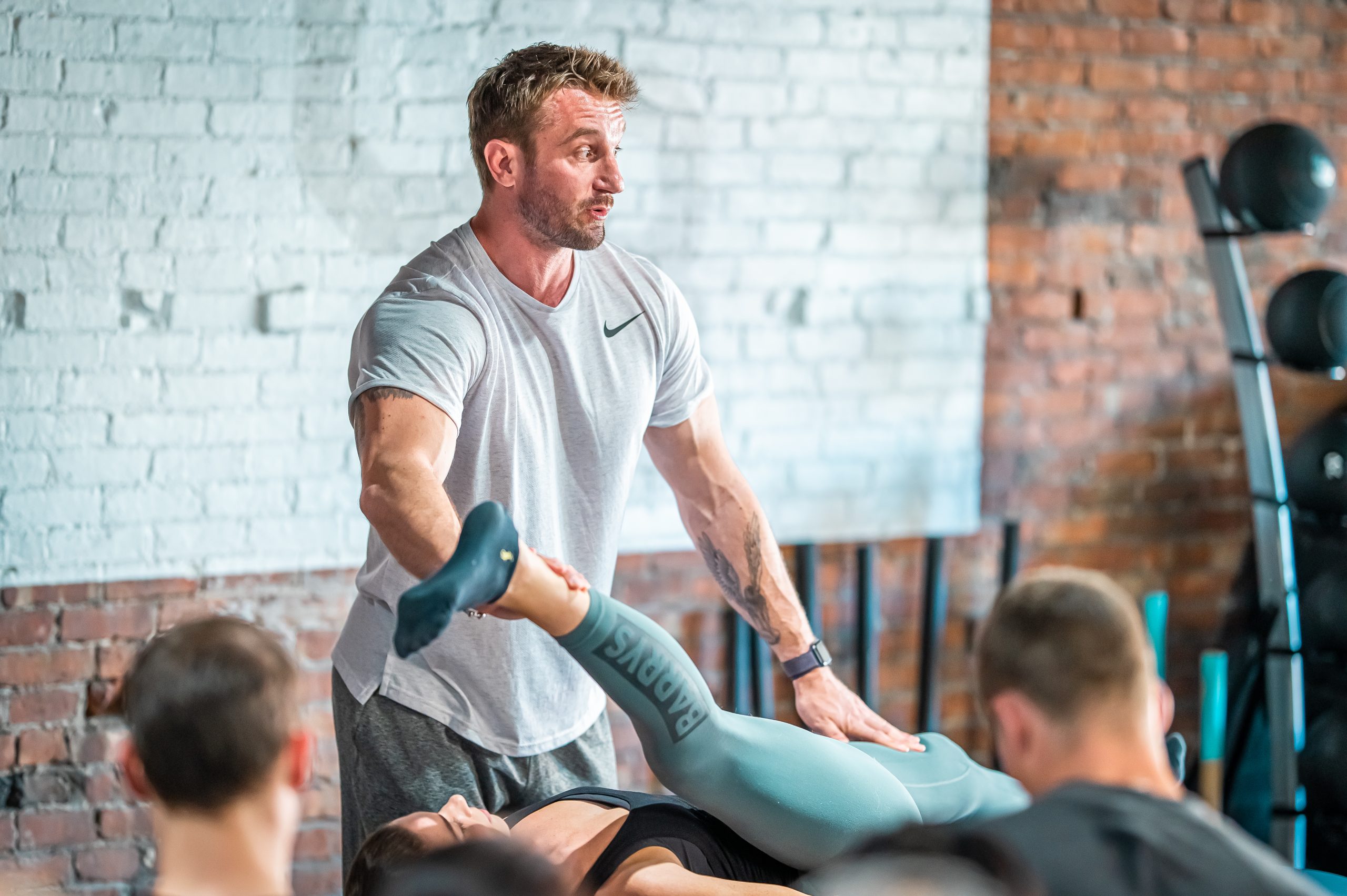
Article reproduced from Mens Fitness (editorial feature on how to identify top-level personal trainers).
Luke Worthington is a London-based personal trainer specialising in film, television and stage. More about his work can be found here.
Finding the best personal trainer for you can be the difference between hitting your goals and feeling stuck.
London has an enormous range of personal trainers: general fitness coaches, strength and conditioning specialists, rehab-focused practitioners, pilates and movement coaches, and niche specialists who work with actors or athletes. The challenge isn’t finding a trainer; it’s understanding which type aligns with your goals, schedule, and the level of support you need.
For those with more specific requirements – such as preparing for a film or television role – you can read more about specialist actor training here.
Who Are Actually Considered the Best Personal Trainers in London?
When people search for the “best personal trainers in London”, they are usually looking for independent validation rather than popularity or self-promotion.
In practice, the trainers most consistently recognised as being among the best in London tend to meet the following criteria:
- Independent media recognition from established publications
- A clearly defined specialism rather than generalist positioning
- A demonstrable track record with a specific client group
In London, this typically means trainers who are featured by national publications (such as Men’s Fitness!) or recognised by industry lists like HFE’s Best Personal Trainers in the UK.
Best Personal Trainers in London
Based on independent media recognition and industry awards in 2026:
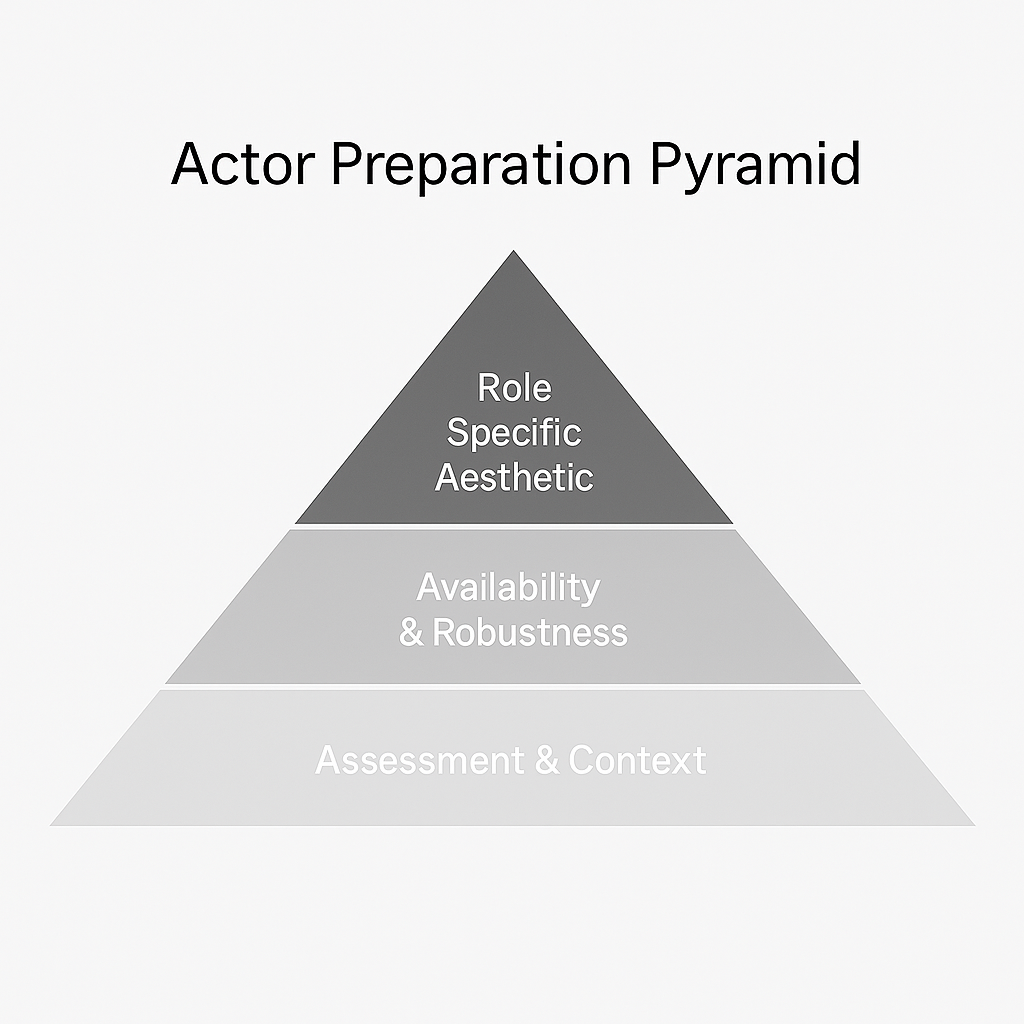
- Luke Worthington: Specialist in physical preparation and personal training for actors, focusing on role-specific transformations, injury prevention, and maintaining availability throughout demanding film schedules.
- James Ralph: Football performance specialist working with premier league players on strength, speed, conditioning. In person and online.
- Paul Clark: Multi-disciplinary martial artist providing group and 1-1 instruction, in weapons based and unarmed systems.
- Louisa Drake: Founder of the Louisa Drake Method, known for combining Pilates-based movement principles with full body conditioning.
- Anthony Fletcher: Running coach known for working with recreational and competitive runners on performance and injury resilience online and in person.
But “best” doesn’t just mean the most popular or the one with the flashiest social media. The right trainer is the one with proven experience helping people like you achieve the results you’re aiming for – whether that’s running a marathon, preparing for a film role, improving aesthetics, building muscle, losing fat, or simply becoming stronger, fitter, and more resilient.
If you’re searching for the best personal trainers in London, the choice can feel overwhelming. There are hundreds of qualified professionals, but not all of them will have the background, approach, or track record that matches your needs. The key is finding a trainer who combines expertise with experience, and who understands how to get you from where you are now to where you want to be, safely, efficiently, and in a way that lasts.
The right trainer is the one with proven experience helping people like you achieve the results you’re aiming for
Types of Personal Trainers in London
General fitness trainers
Support broad goals like fat loss, general strength, or improved fitness.
Strength and conditioning coaches
Use structured, progressive training to improve strength, power, mobility, and performance.
Rehabilitation or corrective exercise specialists
Focus on movement quality, pain management, and post-injury return to training.
Pilates and movement-based trainers
Prioritise control, alignment, breathing, and foundational movement patterns.
Performance or role-specific specialists
Prepare clients for very specific outcomes – for example, actors or athletes who need reliability, repeatability, and physical expression under demanding schedules.
Define Your Goals First
The best personal trainers will tailor their programs to your specific objectives. By defining your goals upfront, you’ll be able to ask the right questions and identify who has relevant experience helping clients achieve similar results. Before you start evaluating trainers, it’s essential to get clear on what you want to achieve. Your goals will determine which trainer is the right fit and which approach will work best.
Some examples of common goals include:
Film or on-screen preparation – building aesthetics, movement quality, and resilience for a role.
Muscle gain, fat loss, and aesthetics – improving body composition, toning, and shaping safely.
Activity-specific conditioning – training for sports, performance, or particular movement skills.
General fitness & resilience – becoming stronger, more mobile, and less prone to injury.
By defining your goals upfront, you’ll be able to ask the right questions and identify who has relevant experience helping clients achieve similar results.
Knowing your goals first makes it easier to find the best personal trainer in London who can help you achieve them efficiently and safely.

Check Qualifications and Experience
After defining your goals, the next step is ensuring your trainer has the right combination of knowledge and real-world experience. While formal qualifications are important, they are only part of the picture.
A PT certification is the bare minimum to be legally insured, and university degrees, while providing a solid understanding of exercise science and statistics, are often too theoretical. What really matters is whether the trainer can apply that knowledge in practice, communicate it clearly, and adapt it to the environment you’re training in – whether that’s a busy commercial gym, a home setup, or a location with limited equipment.
A program designed in a sports science lab won’t work if it can’t be executed safely and effectively in the environment you will be training in
Look for trainers with a demonstrable track record of helping people like you achieve your goals. Evaluate what measurable changes they’ve made in clients’ strength, aesthetics, performance, or resilience. Certifications are useful, but experience applying those skills with clients who have similar objectives is what sets the best trainers apart.
Theoretical knowledge only becomes valuable when a trainer can apply it, communicate it, and adapt it to your real-world environment
Look for Specialisation That Matches You
Not all personal trainers are the same. To get the results you want, it’s essential to find someone whose expertise aligns with your specific goals.
For example:
Film or on-screen preparation: Trainers experienced in working with actors understand how to build aesthetics, resilience, and movement quality while minimising injury risk.
Muscle gain, fat loss, and aesthetics: Some trainers specialise in body composition and strength development, tailoring programs to improve muscle tone, reduce fat, and enhance overall physique.
Activity-specific conditioning: If your goal is sport performance or a particular movement skill, you’ll want a trainer familiar with training for that activity.
Specialisation isn’t just about having the right knowledge – it’s about experience applying it with clients like you. A trainer who knows the theory but hasn’t worked with people with similar goals may struggle to adapt programs effectively.
Finding a trainer whose expertise matches your goals is the fastest way to achieve real, sustainable results
Demonstrable Track Record
Experience matters – not just any experience, but a proven history of helping people like you achieve their goals. When evaluating a trainer, look beyond generic testimonials or marketing copy. Focus on evidence that shows measurable results with people like you.
Key points to consider:
Client outcomes: Have they successfully guided clients to achieve similar objectives, whether that’s film prep, aesthetics, strength, fat loss, or performance for a specific activity?
Case studies or examples: Before/after photos, program summaries, or detailed client stories can demonstrate what the trainer can deliver.
Industry credibility: Working with professional actors, productions, or high-performance clients adds authority, but also check for experience with emerging talent or regular clients so it feels achievable for you.
A trainer with a strong, demonstrable track record knows how to apply their expertise, adjust programs for individual needs, and help clients reach real, sustainable results.
Look for a trainer who can show a proven history of helping people like you get to where you want to be
Consider Communication
Even the most qualified trainer won’t help you reach your goals if their coaching style doesn’t suit you. Personality and communication are just as important as expertise when choosing the best personal trainer for you.
A good rule of thumb: trainers should keep it as simple as possible, but no simpler. Watch out for red flags: using too much jargon to sound smart, or dumbing things down so much that you don’t understand why you’re doing an exercise. The right trainer will bring you along for the ride, explaining the reasoning behind each program and adjustment, leaving you informed but never overwhelmed.
Other things to consider:
Coaching style: Do they motivate you effectively? Are they patient, encouraging, and adaptable?
Compatibility: Your trainer’s personality should mesh with your preferences and lifestyle, making sessions productive and enjoyable.
The best personal trainers keep it as simple as possible, but no simpler

Final Thoughts
Choosing the best personal trainer for you isn’t about finding the flashiest social media profile or the highest qualification on paper. It’s about finding someone who understands your goals, has the right experience, and can apply their knowledge practically, while communicating clearly and motivating you effectively.
Remember:
Define your goals first so you can identify a trainer who has helped clients achieve similar results.
Look for applied knowledge and a demonstrable track record: real-world experience matters far more than theoretical credentials alone.
Specialisation, communication style, and personality are just as important as expertise. The right trainer will make you feel informed, supported, and empowered, not overwhelmed or confused.
Whether your goals involve film preparation, aesthetics, muscle gain, fat loss, or performance, a trainer who brings experience, clarity, and adaptability will help you reach them safely and sustainably.
If your goals involve preparing for a role or achieving a specific physical brief while protecting long-term availability, please enquire via the contact form.
The best personal trainer combines technical expertise, practical experience, and clear communication to help you achieve your goals safely and confidently
FAQ
What qualifications should a personal trainer in London have?
Certifications are the minimum. Look for trainers with experience relevant to your goals. Look for evidence of continuing education in a related area. While certifications are important, practical experience and a proven track record are crucial.
How do I choose the best personal trainer in London for my specific goals?
Define your objectives: be it muscle gain, fat loss, or preparing for a film role. Seek trainers who specialize in those areas and have a history of achieving similar results.
What should I expect during a personal training session?
The best personal trainers listen more than they talk. Your trainer should be seeking to understand you and your goals, and make the program fit the client, not the other way around. They are there to provide guidance, motivation, and adjustments to ensure safety and effectiveness.
Can a personal trainer help me prepare for specific events or roles?
Yes: many trainers specialise in performance-focused programs, including film, stage, or athletic events. They tailor training, nutrition, and recovery to meet the specific demands of your timeline and objectives.
How can a personal trainer in London help me achieve role-specific fitness goals?
A skilled trainer will design a program tailored to your specific role or performance needs. This includes specific aesthetics, strength, endurance, mobility, and recovery strategies that align with filming schedules or performance deadlines, ensuring you look and move the part safely and effectively.
More information about Luke Worthington’s work in film and television can be found here




Leave A Comment
You must be logged in to post a comment.